
Why Polyurethane Seals Outperform Traditional Elastomers in High-Pressure Systems
July 1, 2026
How to Select the Right Anti-Vibration Mounts for Heavy Industrial Machinery
July 10, 2026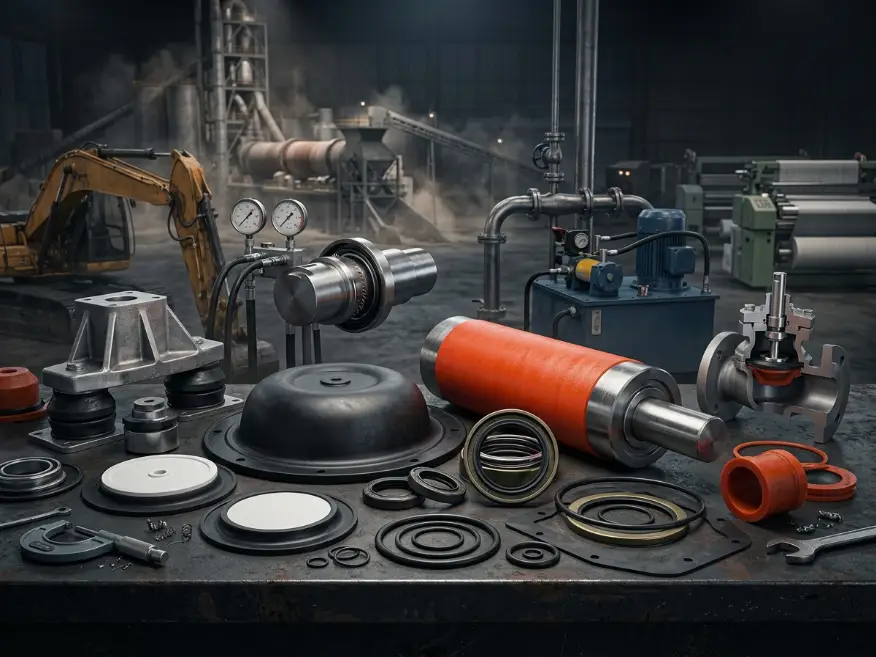
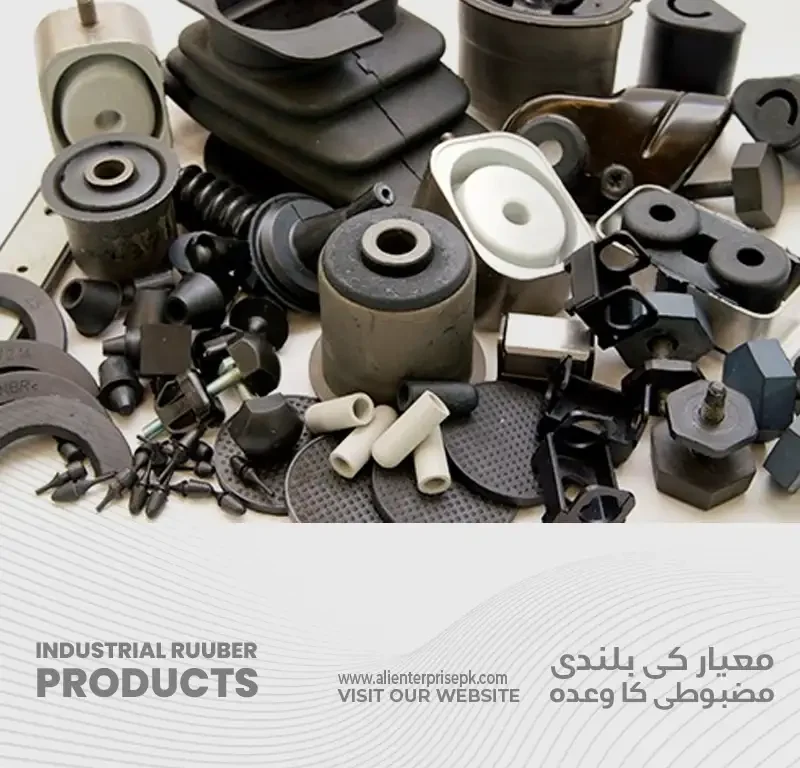
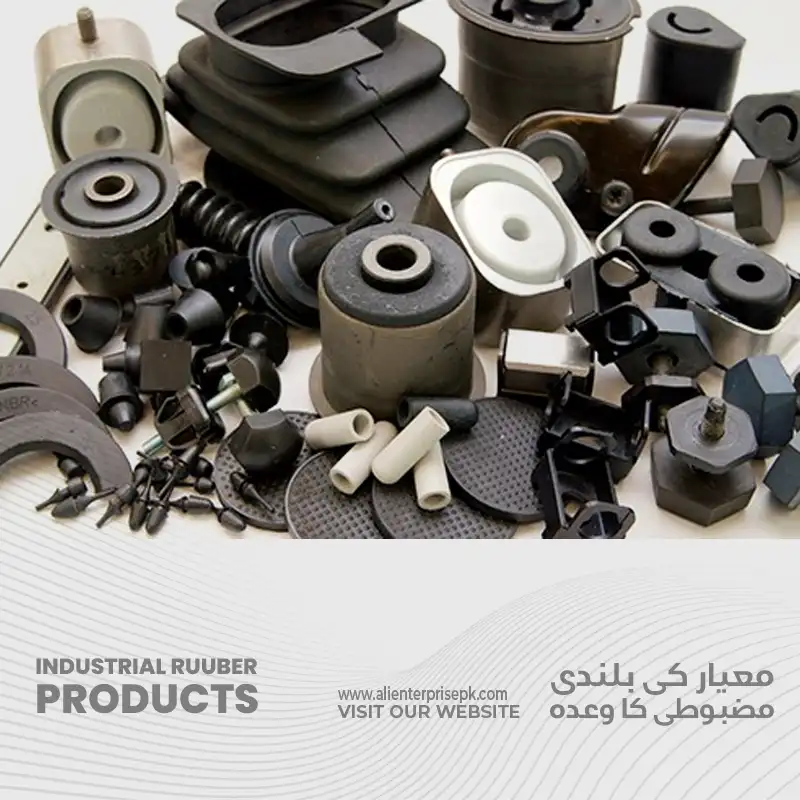
The manufacturing landscape in Pakistan is undergoing a major technological shift. Heavy industries such as cement production, steel mills, textile processing, and chemical refining are scaling up their operations. To maintain this momentum, these factories rely heavily on continuous machinery performance. While massive steel structures and electronic control systems often steal the spotlight, the true unsung heroes of industrial reliability are small, highly engineered elastomeric parts. High-quality Industrial Rubber Products Pakistan serve as the vital link that prevents mechanical wear, isolates destructive vibrations, and seals critical systems against costly leaks.
From the high-pressure environments of oil and gas pipelines to the abrasive conditions of mining and concrete pumping, premium rubber components keep the wheels of production turning. Selecting the correct elastomer is no longer just a purchasing decision. It has become a core engineering strategy. In this comprehensive guide, we will analyze why high-performance rubber parts are critical to industrial success, explore their diverse applications, and discuss how local custom manufacturing is transforming the market.
Understanding the Science of Industrial Elastomers
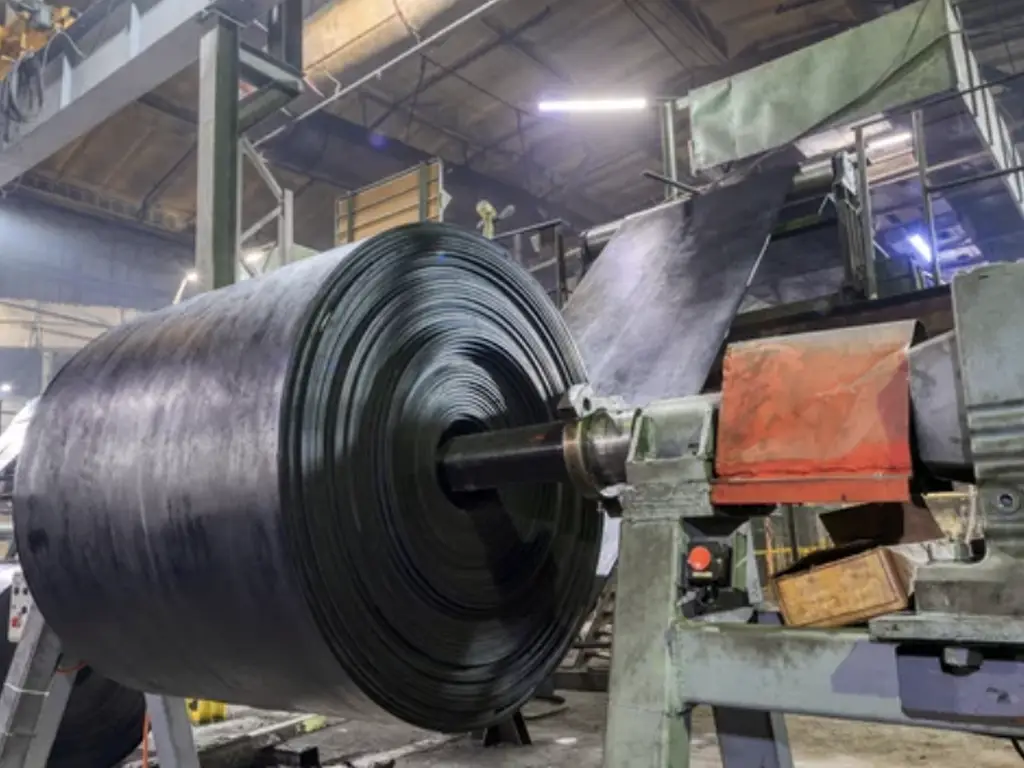
To appreciate the value of high-performance rubber products, it is essential to look at the material science behind them. Industrial machinery operates under extremely demanding conditions. These include intense heat, aggressive chemicals, high physical pressure, and continuous friction. Standard, off-the-shelf rubber cannot withstand such harsh environments. It quickly degrades, leading to sudden equipment failure and expensive downtime.
Professional manufacturers utilize specialized synthetic polymers, each custom-compounded to offer unique physical and chemical characteristics:
- Nitrile Butadiene Rubber (NBR): Highly resistant to petroleum-based oils, fuels, and greases. It is the go-to material for industrial oil seals, O-rings, and hydraulic hoses.
- Ethylene Propylene Diene Monomer (EPDM): Renowned for its outstanding resistance to heat, ozone, weathering, and aging. EPDM is widely used in outdoor machinery, steam systems, and automotive seals.
- Fluoroelastomer (Viton / FKM): Designed for extreme environments. Viton can withstand temperatures exceeding 200°C and maintains its integrity when exposed to highly corrosive chemicals, acids, and fuels.
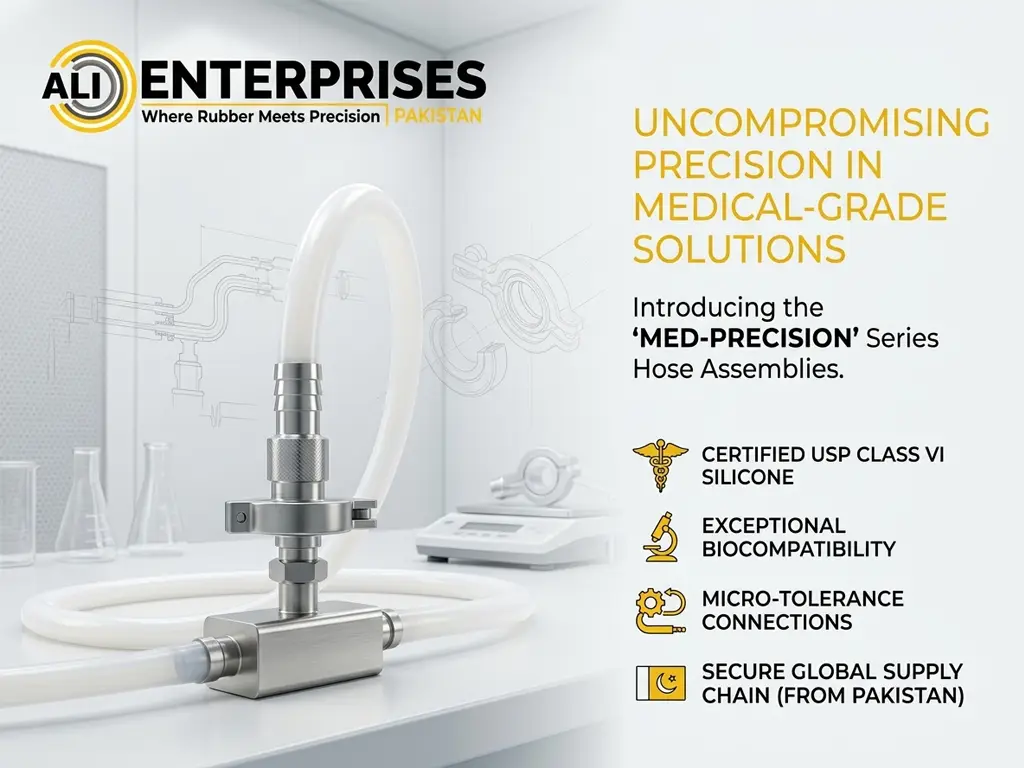
- Silicone Rubber: Known for its wide temperature stability and excellent biocompatibility. This makes it ideal for food processing, pharmaceutical equipment, and high-temperature sealing applications.
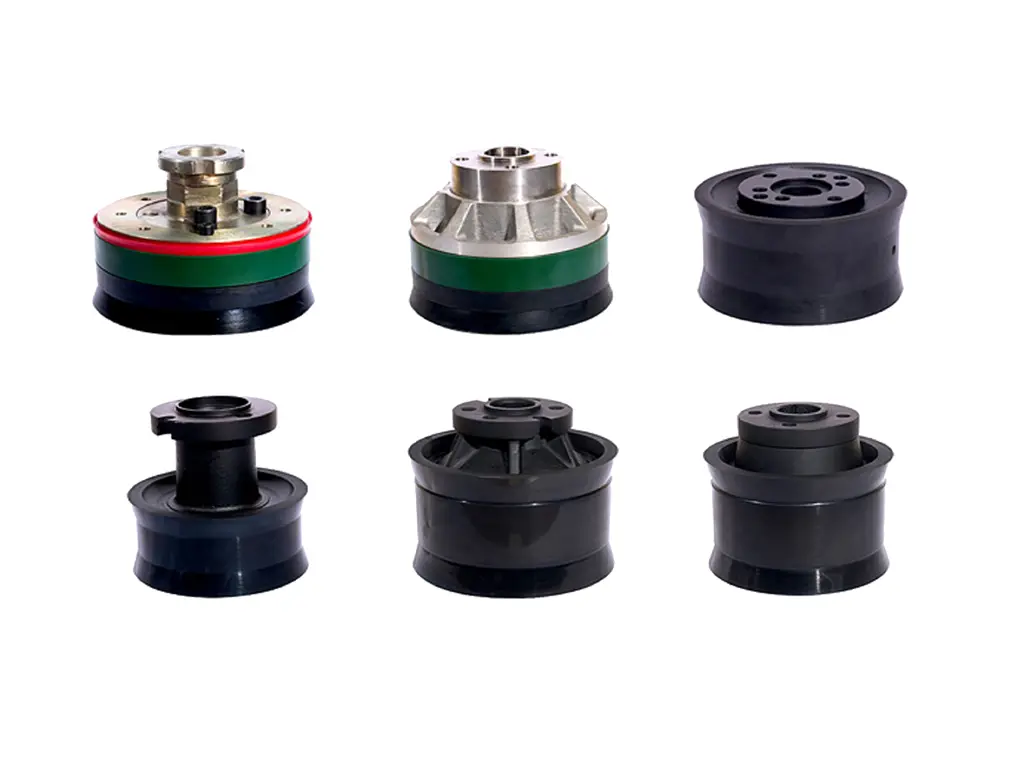
- Polyurethane (PU): Combining the elasticity of rubber with the toughness of structural plastic. Polyurethane offers exceptional abrasion resistance, high load-bearing capacity, and tear strength, making it perfect for heavy-duty scraper blades, wheels, and piston rams.
By matching the exact polymer to the specific demands of the operating environment, engineers can dramatically extend the service life of machine components.
Critical Applications Across Pakistan’s Core Industries
Different manufacturing sectors require tailored sealing and vibration-control solutions. Let us examine how specialized rubber products are applied across key industries in Pakistan.
1. Cement and Mining Operations
Cement plants and mining sites are notoriously hostile environments. Equipment is constantly subjected to highly abrasive dust, heavy impact, and continuous mechanical shock. Here, heavy-duty anti-vibration mounts are critical. They isolate massive vibrating screens, crushers, and ball mills, protecting surrounding concrete foundations and structural steel from stress fractures.
Additionally, concrete pump piston rams made from tough polyurethane are vital for conveying raw materials. Without these abrasion-resistant components, material processing would grind to a halt due to constant wear and tear.
2. Textile and Paper Processing Mills
Pakistan’s textile sector relies heavily on continuous-flow wet processing, dyeing, and finishing. These processes involve high-temperature chemical baths, steam, and constant roller pressure. Custom molded rubber rollers, diaphragms for pneumatic control valves, and specialized chemically resistant gaskets are essential to prevent chemical leaks, maintain correct process pressure, and ensure consistent fabric quality.
3. Food and Pharmaceutical Processing
In these highly regulated industries, contamination is not an option. Gaskets, O-rings, and diaphragms must be manufactured from food-grade, FDA-compliant silicone or EPDM. These materials do not impart taste or odor, can withstand aggressive clean-in-place (CIP) steam-sterilization cycles, and do not degrade when exposed to sanitizing chemicals.
4. Oil, Gas, and Petrochemical Plants
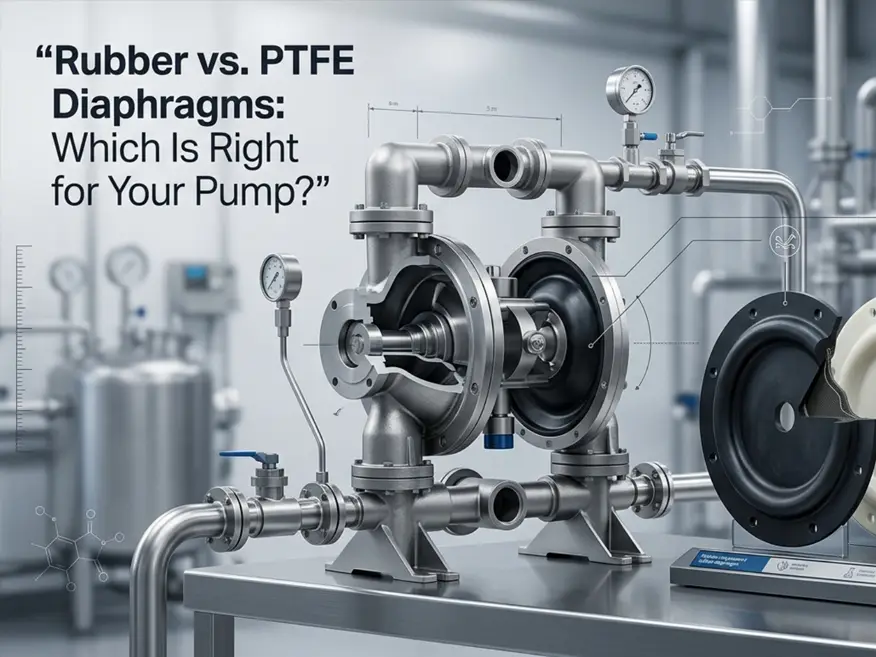
Refining and transporting hydrocarbons requires absolute sealing security. High-pressure pipelines, control valves, and pumps rely on specialized PTFE diaphragms and Viton oil seals. These high-performance components prevent hazardous leaks, protect the environment, and safeguard personnel from potential industrial accidents.
Key Types of Engineered Rubber Components
To achieve optimal performance, factories must utilize precisely engineered components designed for specific mechanical tasks.
Rubber Diaphragms and PTFE Diaphragms
Industrial diaphragms act as flexible barriers that transmit force or separate two media. They are critical components in control valves, actuators, and positive-displacement pumps. High-performance rubber diaphragms are often reinforced with high-strength fabric inserts (like polyester or nylon) to withstand high cycling pressures without bursting. For extremely corrosive chemical environments, a PTFE-faced rubber diaphragm provides the ultimate combination of chemical inertness and elastomeric flexibility.
Anti-Vibration Mounts
Excessive mechanical vibration causes structural fatigue, noise pollution, and premature wear of bearings and gears. Anti-vibration mounts (or rubber-to-metal bonded dampers) absorb and isolate kinetic energy. These are widely used under diesel generators, industrial air compressors, HVAC units, and heavy manufacturing presses, ensuring smoother operation and a safer working environment.
Industrial Oil Seals and Gaskets
Seals and gaskets keep lubricants inside the machine while blocking out dirt, moisture, and dust. Custom rubber gaskets, molded O-rings, and rotary shaft oil seals are engineered to precise tolerances. This ensures a leak-free interface, even under high shaft rotation speeds and elevated system pressures.
Polyurethane (PU) Seals and Components
For applications where rubber wears out too quickly, polyurethane is the ideal alternative. PU seals, hydrocyclone liners, and coupling inserts offer incredible durability, tear resistance, and load capacity, reducing the frequency of replacement cycles in highly abrasive environments.
The Strategic Benefits of Localized Custom Rubber Engineering
For many years, industrial operators in Pakistan relied heavily on imported replacement rubber parts. However, importing spare parts presents several challenges, including long shipping delays, volatile foreign exchange rates, and the risk of receiving counterfeit or poorly fitting components.
Partnering with a reliable domestic manufacturer like Ali Enterprises Pakistan offers distinct advantages:
- Rapid Turnaround and Reduced Downtime: When a critical machine seal fails, waiting weeks for an imported replacement is incredibly costly. Local manufacturing allows for rapid production and delivery of replacement parts, restoring plant operations quickly.
- Custom Material Compounding: Local experts can analyze the exact chemical and thermal conditions of your machine and formulate a custom rubber compound optimized specifically for your local operating environment.
- Reverse Engineering Capabilities: If original blueprints or CAD files are unavailable, advanced local manufacturers can reverse-engineer worn-out samples, creating exact-fit molds that match original equipment manufacturer (OEM) standards.
- Cost-Effective Solutions: By eliminating import duties, international shipping fees, and middleman markups, localized production significantly reduces maintenance, repair, and operations (MRO) budgets.
Quality Control in Rubber Manufacturing
Not all rubber products are created equal. High-performance industrial applications demand strict adherence to international quality standards. Premium manufacturers implement comprehensive quality control testing at every stage of production:
- Hardness Testing (Shore A/D): Ensuring the vulcanized rubber meets the exact durometer requirement for its intended application.
- Tensile Strength & Elongation Testing: Verifying the polymer can withstand pulling and stretching forces without tearing.
- Compression Set Testing: Measuring the rubber’s ability to return to its original thickness after being subjected to prolonged compressive stress.
- Chemical Compatibility Testing: Exposing material samples to target solvents, oils, and acids to verify long-term resistance.
Investing in rigorously tested components ensures high reliability and protects your heavy capital machinery from catastrophic failures.
Conclusion: Optimize Your Operations with Ali Enterprises Pakistan
High-performance rubber components are the foundation of efficient, reliable, and safe manufacturing operations. From isolating destructive vibrations to containing high-pressure chemicals, these precision-engineered parts prevent costly failures and drive industrial productivity across Pakistan.
As a premier industrial rubber products manufacturer, Ali Enterprises Pakistan is committed to delivering world-class, OEM-quality rubber and polyurethane components. Our expertise spans custom rubber molding, advanced material compounding, and rigorous quality control. Whether you need custom rubber diaphragms, heavy-duty anti-vibration mounts, precision oil seals, or specialized polyurethane components, our team of engineering experts is ready to design and manufacture the perfect solution for your specific application.
Don’t let subpar sealing or excessive vibration compromise your plant’s efficiency. Contact the engineering team at Ali Enterprises Pakistan today to request a custom quote, submit your design drawings, or schedule a technical consultation. Let us help you minimize machinery downtime and maximize your operational output.
Frequently Asked Questions (FAQs)
How do I choose the right rubber compound for my industrial application?
Selecting the correct rubber compound depends on several key operating factors, including the maximum and minimum operating temperatures, exposure to chemicals or petroleum oils, physical abrasion levels, and pressure requirements. Our technical sales team can analyze your application parameters and recommend the optimal polymer, such as NBR, EPDM, Viton, or Polyurethane, to maximize component life.
Can you manufacture custom rubber parts from a physical sample or sketch?
Yes, we specialize in custom rubber engineering. If you do not have engineering CAD drawings, you can provide us with a physical sample (even a worn-out one) or a detailed sketch with dimensions. Our engineering department can reverse-engineer the component, create precise tooling molds, and manufacture the replacement part to exact OEM specifications.
Why is polyurethane often preferred over natural or synthetic rubber?
Polyurethane bridges the gap between flexible rubber and rigid plastics. It is highly preferred for applications that demand extreme resistance to abrasive wear, high tear strength, and excellent load-bearing capacity. It performs exceptionally well in concrete pumping pistons, heavy-duty scraper blades, and high-impact coupling inserts where standard rubber compounds would wear out rapidly.