
Optimizing Concrete Pump Performance: A Guide to Piston Rams and Spare Parts
October 4, 2026
The food and pharmaceutical industries operate under stringent regulations, where product purity and consumer safety are paramount. Every component within processing and packaging machinery must meet the highest standards to prevent contamination and ensure compliance. At the heart of this challenge lies the critical selection of materials, especially for parts that come into direct or indirect contact with edibles or medicines. This is precisely where food grade rubber components FDA approved become indispensable. These specialized rubber products are engineered not just for performance, but, more importantly, for absolute safety and adherence to strict regulatory guidelines.
Why Food-Grade Rubber is Non-Negotiable for Safety
In food and pharmaceutical manufacturing, even a microscopic contaminant can have severe repercussions, from product recalls and reputational damage to serious public health crises. Standard industrial rubber, while robust, often contains additives that are unsafe for human consumption or contact. Food-grade rubber, conversely, is formulated with specific, non-toxic ingredients that will not leach harmful substances into products.
It's about more than just avoiding contamination; it's about building trust and ensuring the integrity of your brand. Using certified food-grade materials is a fundamental step in achieving HACCP compliance and other quality management systems essential for these sensitive sectors. For procurement managers and plant engineers, this means prioritizing components that are not only durable but also inherently safe and compliant.
Understanding FDA Compliance for Rubber Components
The U.S. Food and Drug Administration (FDA) sets forth rigorous standards for materials that come into contact with food or pharmaceuticals. For rubber components, this primarily refers to Title 21 of the Code of Federal Regulations (CFR), specifically sections like 21 CFR 177.2600. This regulation details the requirements for "Rubber articles intended for repeated use."
Achieving FDA compliance means a material has been tested and proven to be safe for direct contact with food or pharmaceutical products. This includes demonstrating that the rubber will not transfer toxic substances, color, odor, or taste to the product it contacts. Manufacturers of food grade rubber components FDA approved must meticulously select raw materials, control their manufacturing processes, and provide documentation to verify compliance. This process gives end-users, like OEM manufacturers and plant managers, the confidence that their equipment meets the highest safety benchmarks.
Key Characteristics of High-Performance Food-Grade Rubber
Beyond mere compliance, premium food-grade rubber components offer a suite of characteristics crucial for efficient and safe operations:
Non-Toxicity and Inertness
The most fundamental characteristic is the absence of harmful leachable chemicals. Food-grade rubber is inherently inert, meaning it does not react with or impart substances into the food or pharmaceutical product, preserving its purity and quality. This is vital for maintaining product integrity over time.
Exceptional Temperature Resistance
Many food and pharmaceutical processes involve extreme temperatures, from cryogenic freezing to high-temperature sterilization (CIP/SIP). Food-grade rubber must maintain its physical properties, sealing capabilities, and non-leaching characteristics across a wide thermal range. This ensures reliability and prevents premature component failure.
Chemical Resistance to Cleaning Agents
Regular and thorough cleaning is essential for hygiene. Food-grade rubber components must withstand harsh cleaning-in-place (CIP) and sterilization-in-place (SIP) chemicals without degrading, swelling, or losing integrity. Resistance to steam, caustic solutions, and various acids is a key performance indicator.
Durability and Abrasion Resistance
In busy production lines, components are subjected to constant wear and tear. High-quality food-grade rubber offers excellent abrasion resistance and mechanical strength, leading to longer service life and reduced downtime. This directly translates to lower maintenance costs and improved operational efficiency for industrial users.
Odorless and Tasteless Properties
To ensure the final product's sensory quality, food-grade rubber must be completely odorless and tasteless. Any transfer of these properties could compromise the consumer experience and lead to product rejection.
Common Types of FDA-Approved Rubber Materials
Selecting the right material is paramount. Here are some widely used FDA-compliant rubber types:
- Silicone (VMQ/MQ): Highly versatile with excellent high-temperature resistance and flexibility. Ideal for medical devices, baking molds, and sealing applications where extreme temperatures are present. It's often translucent or white.
- EPDM (Ethylene Propylene Diene Monomer): Offers excellent resistance to steam, hot water, and various chemicals. Widely used in dairy processing, beverage dispensing, and pharmaceutical equipment due to its resilience and resistance to harsh cleaning cycles.
- Nitrile (NBR): While standard NBR is not food-grade, specially compounded food grade nitrile rubber is available. It provides good oil and fat resistance, making it suitable for applications involving animal fats, vegetable oils, and hydraulic fluids within food processing machinery.
- Viton (FKM): A high-performance fluorocarbon elastomer known for its exceptional chemical resistance, especially to aggressive solvents and high temperatures. Often chosen for demanding pharmaceutical applications or in processes involving strong acids or bases.
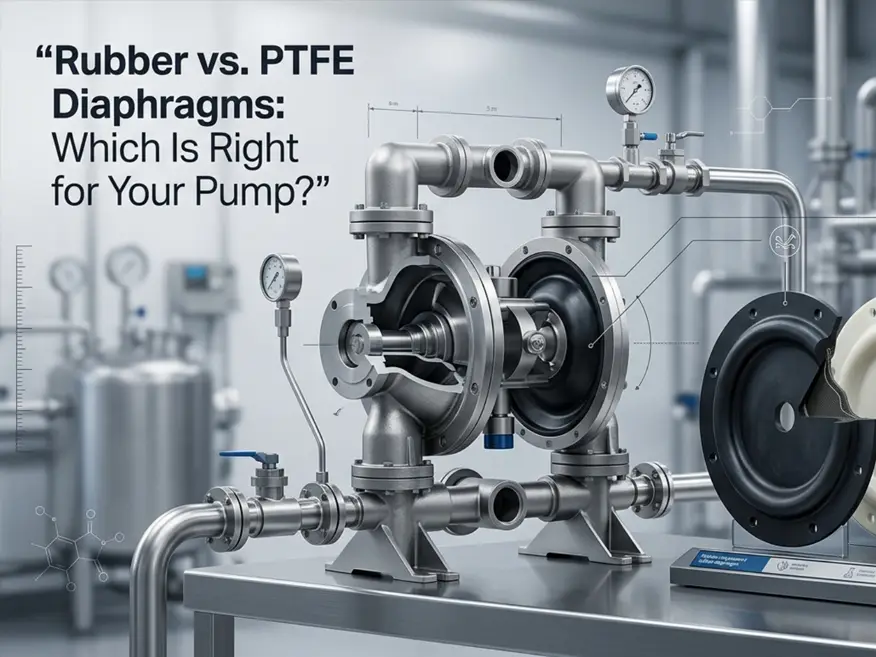
- PTFE (Polytetrafluoroethylene): Although technically a thermoplastic polymer and not a rubber, PTFE is frequently used in conjunction with rubber components or as a standalone sealing material due to its superior non-stick properties, chemical inertness, and extreme temperature resistance. Its FDA compliance makes it ideal for critical seals and PTFE diaphragms where absolute purity is required.
- Polyurethane (PU): Known for its outstanding abrasion and tear resistance, polyurethane seals are excellent for dynamic applications in food and pharmaceutical equipment, such as pump components and specialized gaskets, provided they are formulated to FDA standards.
Applications Across Food & Pharmaceutical Industries
The demand for food grade rubber components FDA approved spans numerous critical applications:
- Sealing Solutions: Rubber gaskets, O-rings, seals, and diaphragms are essential for preventing leaks and contamination in pumps, valves, filters, and mixers.
- Fluid Transfer: Hoses and tubing that handle liquid food products, beverages, or pharmaceutical ingredients must be FDA compliant to maintain product integrity.
- Vibration and Shock Absorption: Anti-vibration mounts used in processing equipment must be food-grade if there's any potential for indirect contact or exposure to the processing environment.
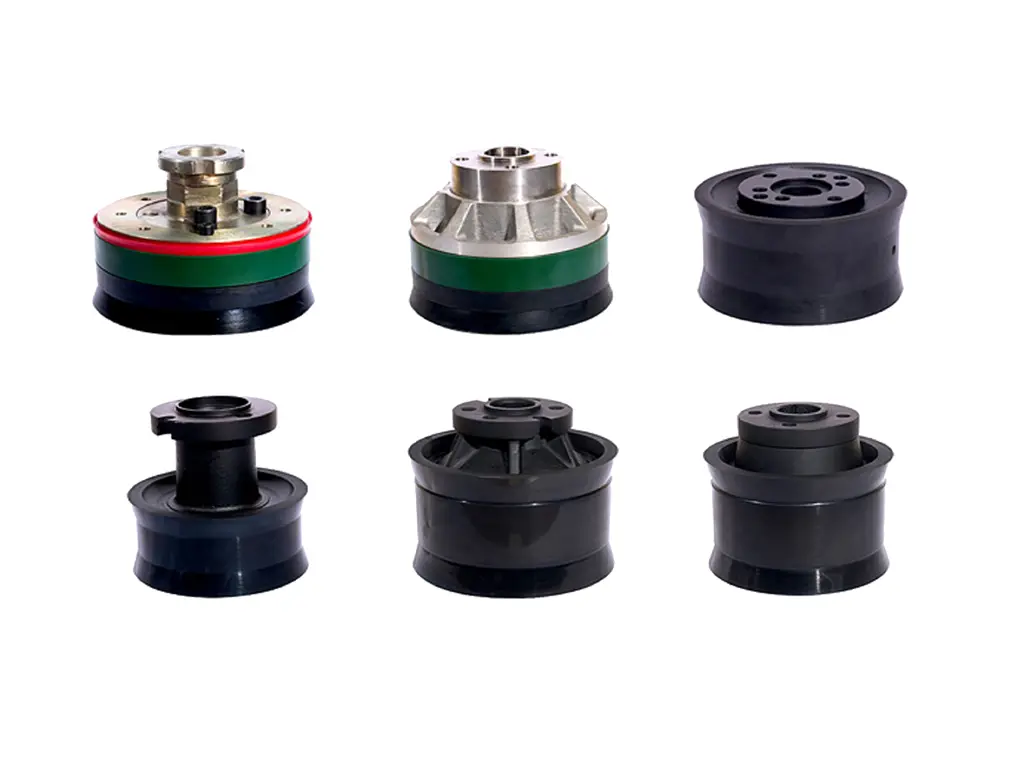
- Custom Molded Parts: Specialized components like concrete pump piston rams used in food-grade material transfer, unique diaphragms for aseptic valves, or custom profiles for conveyor systems.
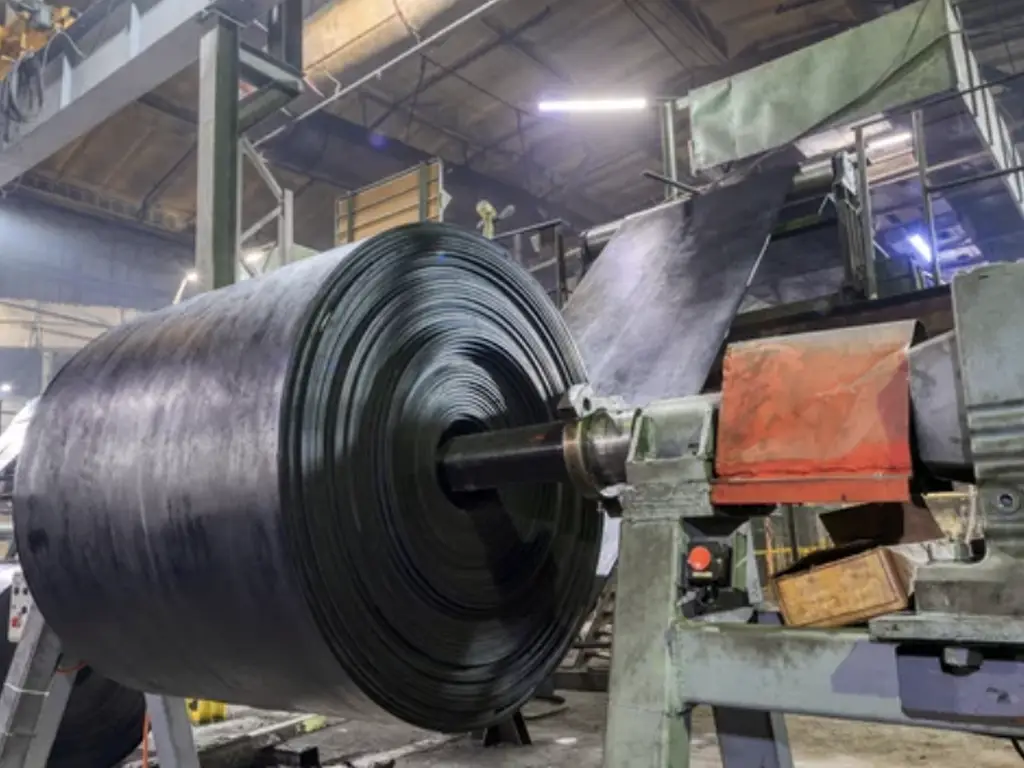
- Conveyor Belts and Rollers: Surfaces that transport unpackaged food items require highly durable and compliant rubber or polyurethane.
The Importance of Custom Rubber Molding for Precision
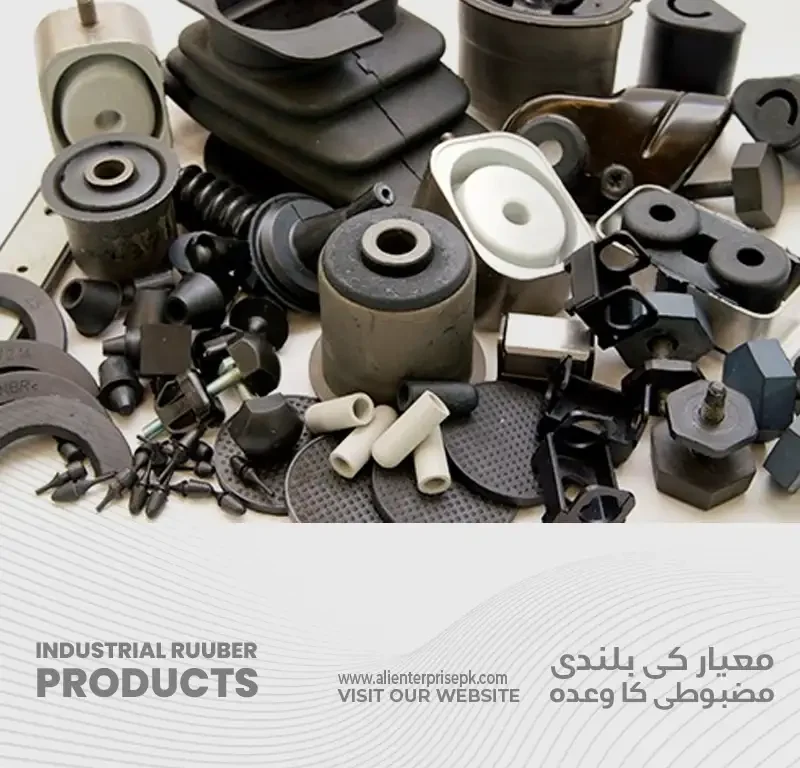
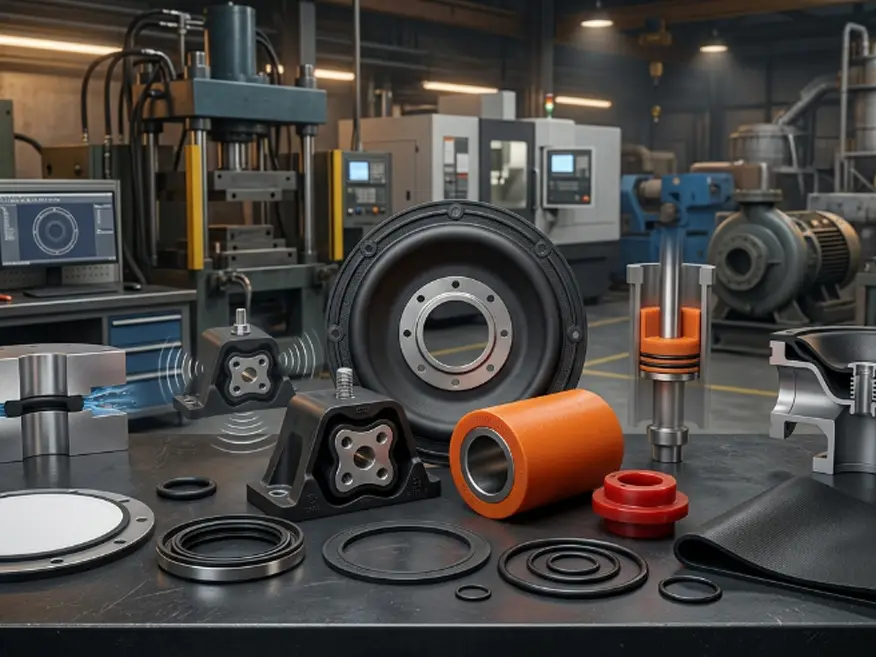
Off-the-shelf components rarely provide the perfect fit or performance for highly specialized machinery. This is where custom rubber molding becomes indispensable. Ali Enterprises Pakistan specializes in designing and manufacturing custom molded rubber products tailored precisely to your equipment's specifications and operational demands.
Whether you require a unique rubber diaphragm, a custom-sized O-ring, or an intricately shaped seal for a new processing unit, our engineering team works closely with you. We utilize advanced techniques and material expertise to produce precision-engineered components that not only meet FDA compliance but also optimize equipment performance and longevity. This bespoke approach ensures that every part integrates seamlessly, delivering maximum efficiency and preventing costly downtime.
Choosing the Right Partner for Food-Grade Components
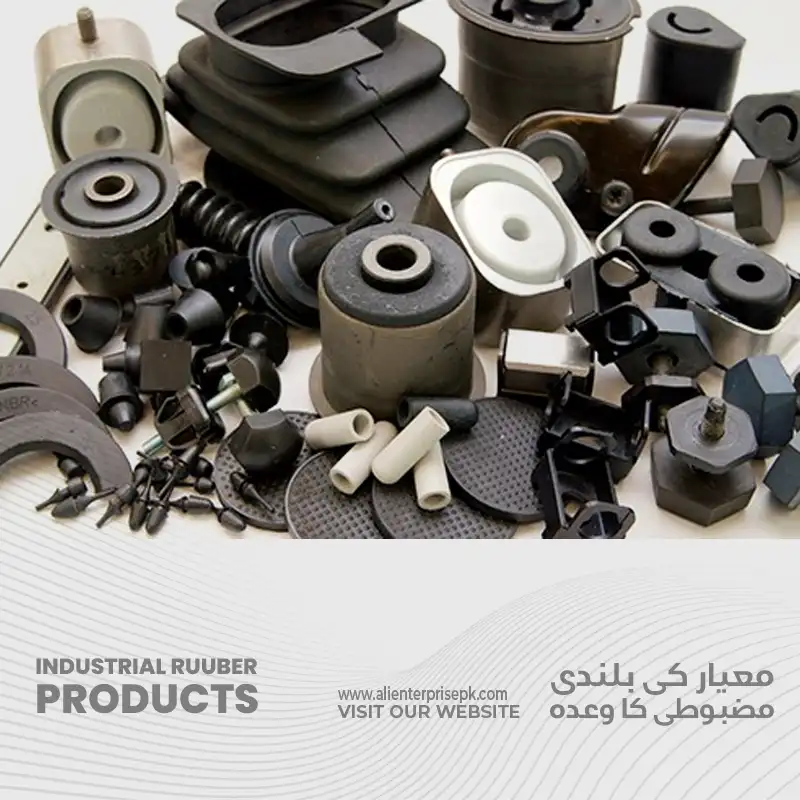
Selecting a reliable manufacturing partner is as crucial as selecting the right material. Ali Enterprises Pakistan stands as a leading industrial rubber products manufacturer and supplier, committed to delivering OEM-quality, FDA-compliant solutions.
Our expertise encompasses:
- Material Selection: Guiding you to the optimal FDA-approved rubber or polyurethane compound for your specific application and environment.
- Precision Manufacturing: Utilizing state-of-the-art facilities and stringent quality control to produce components with tight tolerances and consistent quality.
- Certifications and Traceability: Providing complete documentation and ensuring that all food grade rubber components FDA approved meet relevant industry standards.
- Engineering Consultation: Offering technical support from design to delivery, helping you overcome complex challenges in industrial sealing and vibration control.
For procurement managers, maintenance engineers, and OEM manufacturers across the globe, partnering with Ali Enterprises means access to durable, high-performance rubber and polyurethane components engineered to withstand demanding operating environments while ensuring uncompromising safety and compliance. We understand the critical need for reliable suppliers who prioritize quality, durability, and technical support.
Ensuring Traceability and Quality Control
Beyond the initial certification, continuous quality control and full traceability are non-negotiable for food-grade components. Reputable manufacturers implement rigorous internal testing procedures, batch control systems, and comprehensive documentation for every production run. This ensures that:
- Raw materials are consistently sourced from approved suppliers.
- Manufacturing processes adhere to strict hygiene and quality standards.
- Each component can be traced back to its origin, providing accountability and facilitating rapid response in case of any issue.
This level of detail provides peace of mind, knowing that every single food-grade gasket or seal contributes positively to the overall safety and compliance of your operations.
Conclusion
The pursuit of safety and compliance in food and pharmaceutical manufacturing leaves no room for compromise, especially when it comes to components that interact with the product. Food grade rubber components FDA approved are not merely a regulatory checkbox; they are a fundamental pillar of product integrity, consumer health, and operational reliability. By understanding the critical characteristics and material options, and by partnering with an expert manufacturer like Ali Enterprises Pakistan, you can ensure your processes are equipped with the safest, most durable, and compliant rubber solutions available. Invest in quality, invest in safety, and safeguard your production from contamination risks.
Ready to enhance the safety and efficiency of your food or pharmaceutical production line with premium, FDA-compliant rubber components? Contact Ali Enterprises Pakistan today for an expert consultation and discover our custom-engineered solutions tailored to your exacting standards.
Q1: What makes a rubber component "food-grade" and FDA compliant?
A1: A rubber component is considered "food-grade" and FDA compliant if it is manufactured using materials listed in FDA regulations (like 21 CFR 177.2600) and has been tested to ensure it will not leach harmful substances, color, odor, or taste into food or pharmaceutical products upon contact. This ensures product purity and consumer safety.
Q2: Which types of rubber are commonly FDA-approved for food and pharmaceutical applications?
A2: Common FDA-approved rubber materials include Silicone (VMQ/MQ), EPDM, specially compounded Nitrile (NBR), Viton (FKM), and Polyurethane (PU). PTFE, though a polymer, is also widely used for its non-stick and inert properties in conjunction with rubber seals. The specific choice depends on the application's temperature, chemical resistance, and mechanical requirements.
Q3: Why is custom molding important for food-grade rubber components?
A3: Custom molding is crucial because standard, off-the-shelf components often do not perfectly fit the unique specifications of specialized food and pharmaceutical processing machinery. Custom-molded parts ensure precise fit, optimal sealing performance, and maximized operational efficiency, reducing the risk of leaks, contamination, and premature component failure. This tailored approach guarantees that components meet exact design requirements and comply with safety standards.