

The Ultimate Guide to Sourcing Custom Rubber Molding Solutions in Pakistan
August 30, 2026
Mastering Material Selection: Your Ultimate Guide to Industrial Rubber Compounds
September 30, 2026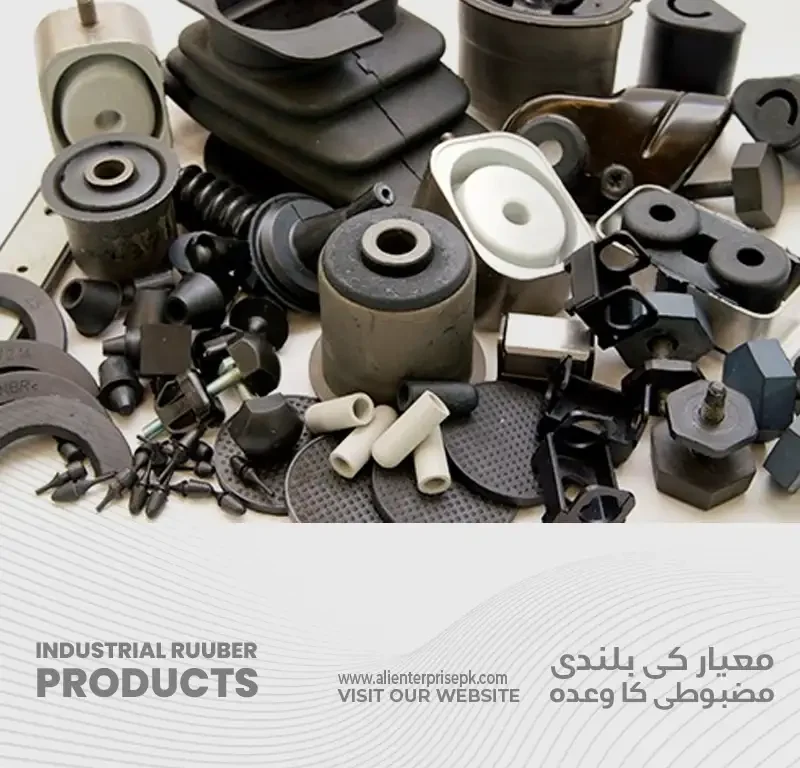
In the demanding world of industrial operations, the reliability of every component is paramount. Industrial rubber products, from robust O-rings and precision gaskets to anti-vibration mounts and diaphragms, are often unsung heroes, performing critical sealing, dampening, and protective functions. However, their exposure to harsh environments, extreme temperatures, chemicals, and constant stress means that without proper care, their lifespan can be significantly cut short. Understanding how to maximize durability essential maintenance tips for industrial rubber products is not just about extending component life; it's about safeguarding operational efficiency, reducing costly downtime, and ensuring the safety of your workforce.
At Ali Enterprises Pakistan, we understand the intricate science behind industrial rubber. As a leading manufacturer of high-performance rubber and polyurethane components, we engineer our products for resilience. Yet, even the most durable solutions require attentive maintenance to deliver their full potential. This comprehensive guide will equip procurement managers, maintenance engineers, and plant managers with the knowledge to significantly extend the service life of their industrial rubber components.
Why Industrial Rubber Product Durability Matters
The longevity of industrial rubber products directly impacts several key areas of your operation. Overlooking their care can lead to a cascade of negative consequences.
Operational Efficiency and Uptime
When a rubber seal fails, it can bring an entire production line to a halt. Leaks, vibrations, and component failures due to degraded rubber directly translate into unplanned downtime. Prolonging the life of these components ensures consistent operation and maximizes your plant's productivity.
Cost Savings and ROI
Frequent replacement of industrial rubber parts adds up. Investing in proper maintenance reduces the need for premature replacements, saving on procurement costs and labor for installation. Furthermore, preventing equipment damage caused by component failure protects larger, more expensive machinery.
Safety and Compliance
Degraded rubber products can compromise safety. A leaking seal in a chemical processing plant, for example, poses significant risks. Ensuring the durability of rubber components helps maintain a safe working environment and often supports compliance with industry safety standards and regulations.
Common Causes of Industrial Rubber Product Failure
To effectively maintain industrial rubber products, it's crucial to understand what factors lead to their degradation. Identifying these causes allows for targeted preventive measures.
Chemical Exposure and Degradation
Many industrial environments involve exposure to aggressive chemicals, oils, and solvents. If the rubber material is not compatible with the specific chemicals it encounters, it can swell, soften, harden, crack, or dissolve. This chemical attack is a primary cause of premature failure for seals and gaskets.
Temperature Extremes
Rubber compounds are designed to operate within specific temperature ranges. Prolonged exposure to temperatures outside these limits, whether excessively hot or cold, can lead to material hardening, embrittlement, or softening. This alters the rubber's flexibility and sealing capabilities.
Abrasive Wear and Friction
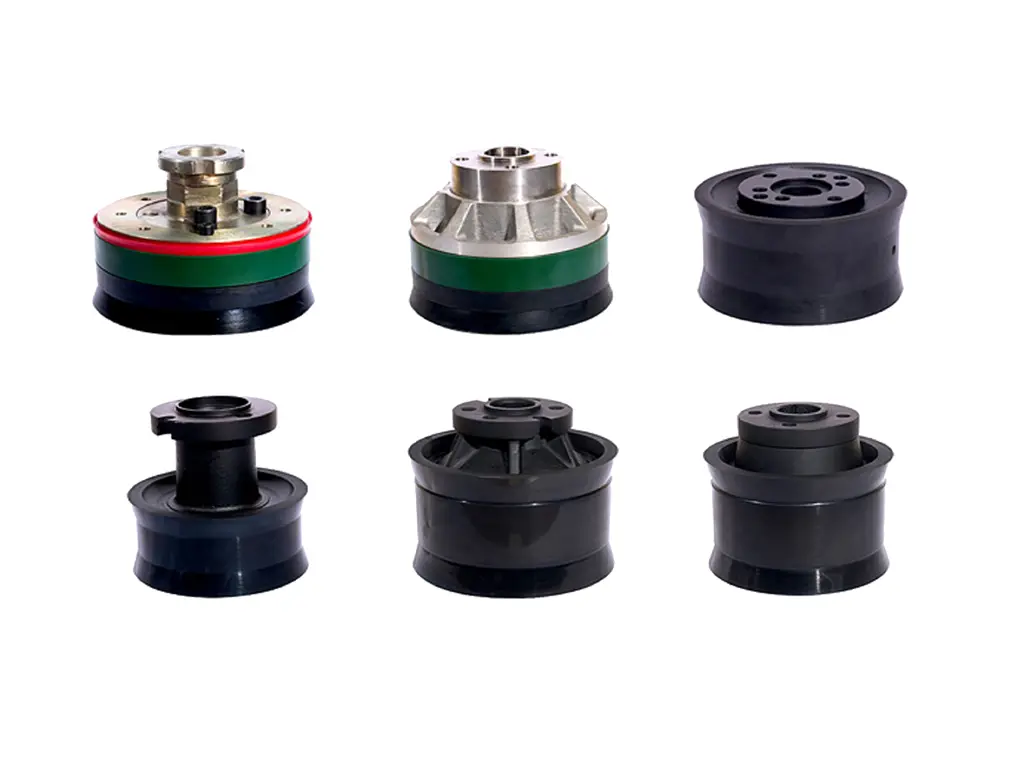
Components like concrete pump piston rams or certain seals are constantly subjected to friction and abrasive particles. This mechanical wear gradually erodes the rubber surface, reducing its effectiveness and eventually leading to failure. Poor lubrication exacerbates this issue.
UV Radiation and Ozone
For rubber products used outdoors or in areas with high ozone concentrations, UV radiation and ozone can cause surface cracking, hardening, and a loss of elasticity. This phenomenon, known as 'ozone cracking', significantly weakens the material over time.
Improper Installation and Handling
Even the highest quality rubber product can fail if installed incorrectly. Twisting, over-tightening, improper lubrication during assembly, or using incorrect tools can damage the component from the outset, compromising its integrity and accelerating wear.
Essential Maintenance Tips to Maximize Durability
Implementing a robust maintenance strategy for your industrial rubber products will significantly extend their operational life and provide substantial returns on your investment. Here are the crucial steps:
Proper Storage Practices
Correct storage is the first line of defense for new components. Store rubber products in a cool, dry, dark place, away from direct sunlight, UV light, and heat sources. Keep them free from dust and dirt. Avoid storing them near electrical machinery that produces ozone, or alongside solvents and chemicals. Flat storage is preferable for items like rubber sheets, while delicate parts should be protected from crushing or deformation.
Regular Inspection Protocols
Establish a routine inspection schedule for all critical rubber components. Look for visible signs of wear such as cracks, hardening, softening, swelling, or discolouration. Pay attention to any leaks or unusual vibrations. Tactile inspection can reveal changes in elasticity or texture. For dynamic seals, check for signs of abrasion or material loss. Early detection of minor issues prevents them from escalating into major failures.
Cleaning and Contamination Control
Dirt, dust, and process residues can accelerate wear and degradation. Regularly clean rubber components using manufacturer-recommended cleaning agents. Avoid harsh solvents or abrasive tools that could damage the rubber's surface. Maintaining a clean operational environment also reduces the ingress of contaminants into sealing areas.
Correct Installation Techniques
Always follow the manufacturer's installation guidelines precisely. Use the correct tools, ensure mating surfaces are clean and free of burrs, and apply appropriate lubricants if specified. Avoid stretching, twisting, or forcing rubber components into place, as this can cause immediate damage or create stress points that lead to premature failure. Proper torque during fastening is also critical for gaskets and seals.
Material Compatibility Awareness
Before selecting or replacing any rubber component, ensure its material is compatible with the operating environment. This includes resistance to specific chemicals, oils, and gases, as well as its ability to withstand expected temperature ranges. Consult material compatibility charts and product specifications. At Ali Enterprises, we provide expert guidance on selecting the right rubber compound for your unique application.
Lubrication Best Practices (where applicable)
For dynamic applications involving friction, proper lubrication is vital. Use lubricants that are compatible with the specific rubber compound and the process fluid. Petroleum-based lubricants, for instance, can degrade many common rubbers like EPDM or natural rubber. Silicone-based lubricants are often a safer choice for a broader range of elastomers. Adequate lubrication minimizes friction and heat buildup, significantly extending the life of moving rubber parts.
Proactive Replacement Schedules
Even with the best maintenance, rubber products have a finite service life. Implement a proactive replacement schedule based on manufacturer recommendations, historical performance data, and the criticality of the application. Predictive maintenance techniques, such as condition monitoring, can help optimize replacement intervals, ensuring components are swapped out before catastrophic failure occurs.
Training for Maintenance Personnel
Invest in thorough training for your maintenance teams. Educate them on the different types of rubber materials, their vulnerabilities, correct handling procedures, and the importance of adhering to maintenance protocols. A well-trained workforce is your most valuable asset in preserving the longevity of industrial components.
Partnering for Longevity: The Ali Enterprises Advantage
Maximizing the durability of your industrial rubber products begins with selecting high-quality, precision-engineered components. At Ali Enterprises Pakistan, we specialize in manufacturing custom molded rubber products, rubber diaphragms, anti-vibration mounts, oil seals, and a comprehensive range of industrial sealing solutions. Our commitment to OEM quality, advanced material selection, and rigorous manufacturing processes ensures that our products are built to withstand the most demanding environments.
We don't just supply parts; we provide solutions. Our engineering expertise allows us to offer custom rubber molding services, designing components tailored to your exact specifications and operational challenges. By partnering with Ali Enterprises, you gain access to durable products and the technical support needed to ensure their long-term performance and reliability.
Conclusion
The durability of industrial rubber products is not a matter of chance; it's a direct result of diligent attention to maintenance. By implementing these essential maintenance tips – from proper storage and regular inspection to correct installation and material compatibility – you can significantly extend the lifespan of your critical components. This proactive approach leads to greater operational efficiency, substantial cost savings, and an enhanced safety record for your plant. Embrace these practices to ensure your industrial rubber products perform optimally for years to come.
Discover how Ali Enterprises Pakistan can be your trusted partner in industrial rubber solutions. Explore our extensive range of high-performance rubber and polyurethane components designed for maximum durability and reliability. Visit our website or contact us today to discuss your specific requirements and optimize your industrial operations!
Frequently Asked Questions (FAQs)
Q1: How often should industrial rubber products be inspected?
A1: The inspection frequency depends on the product's application, operating conditions, and criticality. For highly stressed or critical components, daily or weekly visual checks might be necessary. For less critical items, monthly or quarterly inspections could suffice. Always refer to manufacturer guidelines and establish a schedule based on risk assessment.
Q2: What are the common signs of rubber degradation to look out for?
A2: Key signs of degradation include cracking, hardening or softening, swelling, discolouration, surface stickiness, loss of elasticity, and visible abrasion or material loss. Any change from the original appearance or tactile feel should prompt further investigation.
Q3: Can all industrial rubber products be repaired, or do they always need replacement?
A3: Most industrial rubber products, especially those performing critical sealing or vibration control functions, are designed for replacement rather than repair once degradation or damage occurs. Attempting to repair them often compromises their integrity and can lead to immediate or premature failure. Minor surface imperfections might be overlooked, but significant damage usually necessitates full replacement to ensure safety and performance.