

The Ultimate Guide to Sourcing Custom Rubber Molding Solutions in Pakistan
August 30, 2026
Maximize Durability: Essential Maintenance Tips for Industrial Rubber Products
September 15, 2026
In high-stakes construction projects, time is money. Heavy machinery operates under immense pressure. Among these systems, concrete pumps are highly vital. However, pumping highly abrasive concrete slurry causes severe wear. Without high-quality components, your equipment faces sudden breakdowns. Maintaining these systems requires premium concrete pump spare parts.
This comprehensive guide explores how to optimize your pumping machinery. We will focus on key wear items like piston rams and sealing solutions. By choosing premium parts, you can prevent costly field failures.
Why Concrete Pumps Demand Specialized Components
Concrete is not a gentle fluid. It is an aggressive, abrasive mixture. This slurry contains sand, cement, aggregate, and water. When forced through steel pipes at high pressure, it acts like sandpaper.
Consequently, every internal component wears down rapidly. Ordinary rubber seals and cheap components quickly degrade under these conditions.
To prevent this, you must install heavy-duty concrete pump spare parts. Engineered polymers and premium rubber compounds withstand high friction. They resist swelling, thermal stress, and physical tearing. Selecting the right materials ensures your operations run continuously.
For more details on industrial rubber compounds, view Ali Enterprises Pakistan's Material Guide.
The Crucial Role of Concrete Pump Piston Rams
At the core of every reciprocating concrete pump is the piston ram. This component pushes abrasive concrete out of the cylinders and into the delivery pipeline.
Material Selection Matters
Modern piston rams are usually made from two primary materials:
- Premium Polyurethane (PU): Polyurethane offers outstanding abrasion resistance. It handles sliding friction far better than standard elastomers. Additionally, PU resists chemical breakdown from concrete additives.
- Natural & Synthetic Rubber: High-grade rubber compounds provide excellent flexibility. They seal effectively against steel cylinder walls, preventing pressure loss.
How Piston Rams Wear Down
Over time, fine sand particles slip behind the piston head. This particulate causes abrasive wear. Consequently, the seal between the piston and cylinder degrades.
When this seal fails, slurry leaks back into the hydraulic system. This leads to hydraulic contamination. Fixing contaminated hydraulics is incredibly expensive. Therefore, replacing piston rams proactively saves thousands of dollars in repairs.
Essential Concrete Pump Spare Parts to Monitor
While piston rams are critical, they work within a larger system. To keep your concrete pump operating smoothly, monitor these essential concrete pump spare parts regularly.
1. Delivery Cylinders and Liners
Cylinders guide the piston rams. If the cylinder walls become scratched or grooved, they quickly destroy new piston seals. Always inspect your cylinders when installing new rams.
2. S-Valves and Wear Plates
The S-valve directs the flow of concrete. It rubs constantly against the wear plate. Because of this high-friction contact, these parts require tough tungsten carbide coatings to extend their service life.
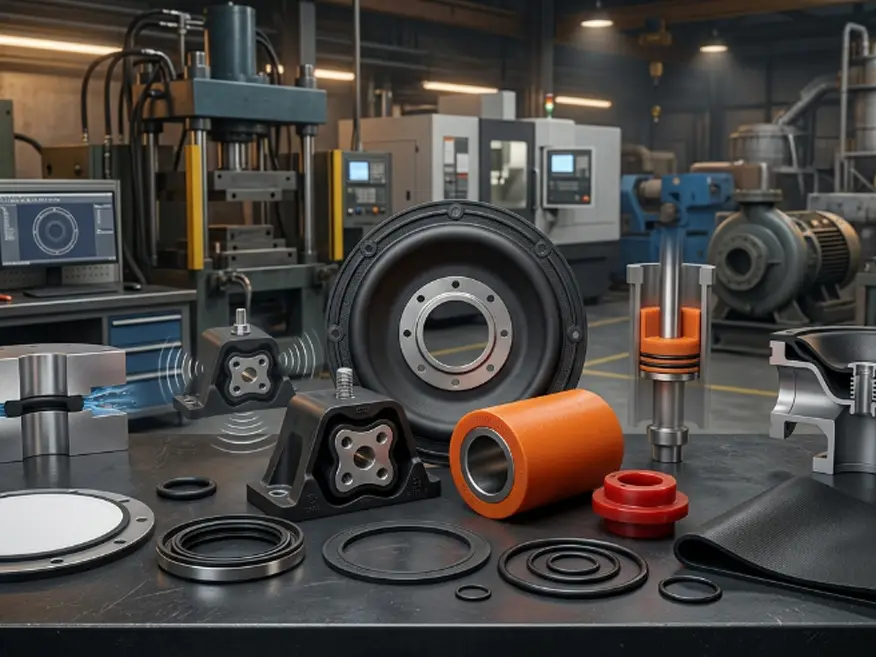
3. Polyurethane Seals and O-Rings
Hydraulic and mechanical seals prevent pressure loss. High-pressure operations require premium polyurethane seals. These components prevent oil leaks and maintain consistent pumping pressure.
4. Rubber Diaphragms and Anti-Vibration Mounts
Concrete pumps generate intense vibration. This vibration fatigues steel structures. High-quality anti-vibration mounts isolate this energy. Consequently, they protect the structural integrity of your machinery.
Explore our range of vibration isolation solutions to protect your heavy equipment.
Step-by-Step Maintenance Guide: Replacing Piston Rams
Replacing a concrete pump piston ram requires precision. Follow this structural maintenance checklist to ensure a perfect fit.
Step 1: Complete System Depressurization
Never work on a pressurized hydraulic system. Ensure the engine is off and relieve all hydraulic pressure before beginning work.
Step 2: Thorough Cleaning
Clean the water box and cylinder thoroughly. Remove all traces of cured concrete, grit, and old grease. A clean workspace prevents premature seal failure.
Step 3: Inspect the Cylinder Bore
Run your hand inside the cylinder. Look for deep scratches, rust, or ridges. If the cylinder bore is damaged, hone or replace it before inserting the new piston ram.
Step 4: Lubricate the New Piston Ram
Apply a generous amount of specialized, water-resistant grease to the new ram and cylinder wall. This lubrication protects the seal during the dry start phase.
Step 5: Careful Installation
Align the piston ram perfectly with the cylinder. Use the correct torque specifications to tighten all mounting bolts. Misalignment causes uneven wear and rapid failure.
Sourcing High-Performance Heavy Equipment Components
Not all concrete pump spare parts are created equal. Buying low-quality aftermarket parts often leads to premature failures on the job site. When sourcing components, look for these manufacturing standards:
- Precision Tolerances: Parts must match OEM dimensions exactly to prevent pressure leaks.
- Advanced Polymers: Ensure your polyurethane and rubber parts are formulated specifically for abrasive environments.
- Custom Engineering Capabilities: Sometimes, older machinery requires custom-molded rubber components. Partnering with a manufacturer who can duplicate samples accurately is invaluable.
At Ali Enterprises Pakistan, we specialize in high-performance custom rubber molding and polyurethane components. We design our concrete pump piston rams to match or exceed OEM specifications, ensuring reliable performance in demanding environments.
Frequently Asked Questions (FAQs)
How often should I replace my concrete pump piston rams?
Piston ram lifespan depends on the abrasiveness of the concrete mix and pumping pressure. Generally, inspect them every 5,000 to 10,000 cubic meters pumped. Replace them immediately if you notice water box contamination or pressure loss.
What are the signs of failing concrete pump spare parts?
Key warning signs include:
- Slurry leaking into the water box.
- Dropping hydraulic pressure during pumping.
- Unusual mechanical grinding noises.
- Increased engine load or reduced concrete discharge rate.
Why is polyurethane preferred over rubber for piston rams?
Polyurethane provides superior tensile strength and abrasion resistance. It handles sliding friction against steel much better than rubber. This material longevity reduces maintenance intervals and machinery downtime.
Conclusion: Maximize Uptime with Ali Enterprises Pakistan
Maintaining your machinery with premium concrete pump spare parts is a strategic investment. High-quality piston rams, seals, and wear parts prevent unexpected project delays, lower maintenance costs, and extend your pump's operating life.
At Ali Enterprises Pakistan, we manufacture world-class industrial rubber and polyurethane components. Our engineering team designs custom, OEM-quality solutions built to survive the harshest job sites.
Do not let unexpected equipment failure stall your next construction project. Contact our technical sales team today to request a custom quote or discuss your manufacturing requirements.