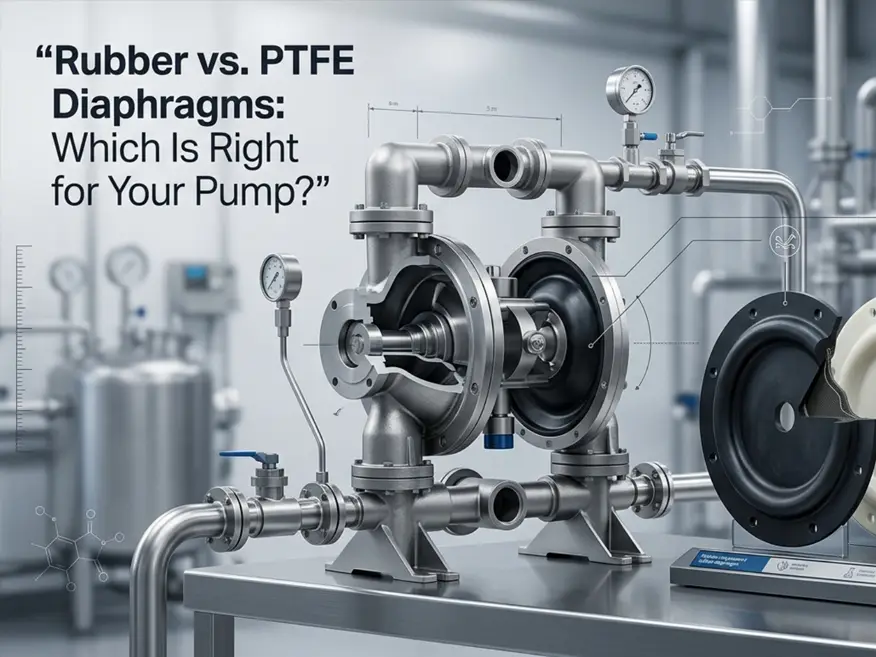

Rubber vs. PTFE Diaphragms: Choosing the Right Seal for Industrial Pumps
August 23, 2026
Optimizing Concrete Pump Performance: A Guide to Piston Rams and Spare Parts
September 5, 2026
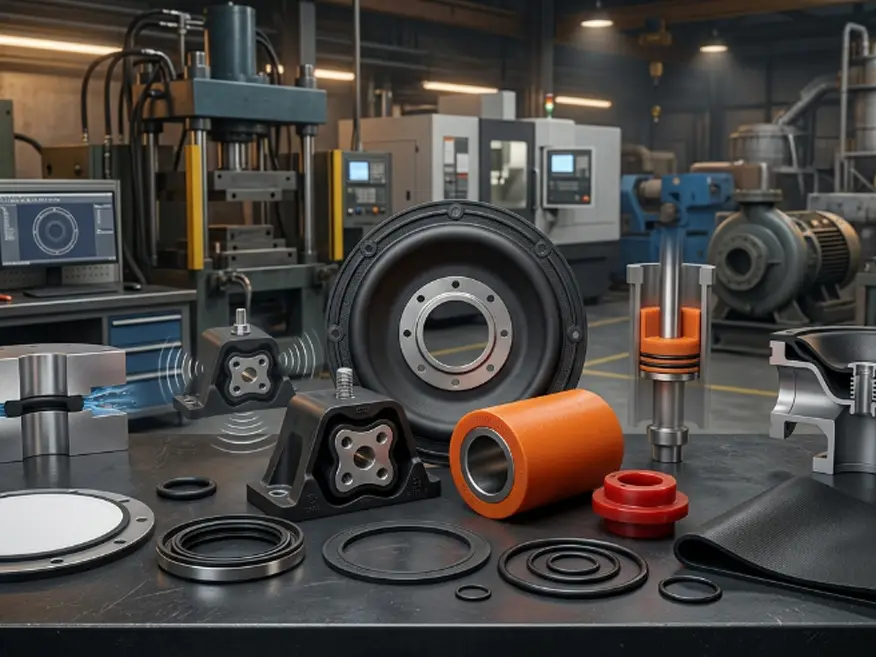
Sourcing industrial components is a critical task that directly impacts plant productivity, machinery lifetime, and operational safety. Among these components, custom-engineered rubber parts play an essential yet often underappreciated role. From simple sealing rings to complex structural diaphragms, industrial operations rely heavily on custom rubber molding to withstand demanding pressures, high temperatures, and abrasive chemical actions.
For procurement managers, maintenance engineers, and plant operators in Pakistan, finding a dependable manufacturer for these components can be highly challenging. Off-the-shelf imports frequently fail to meet specific equipment tolerances, resulting in costly machine downtime and frequent replacements. This comprehensive guide details everything you need to know about navigating the landscape of custom rubber molding in Pakistan, allowing you to source high-performance, cost-effective, and long-lasting elastomeric components.
Understanding the Basics of Custom Rubber Molding
Custom rubber molding is a highly specialized manufacturing process that transforms raw rubber compounds into precise, functional shapes using metal molds under heat and intense pressure. Unlike generic components, customized molding is designed to meet exact mechanical requirements, environmental factors, and spatial dimensions.
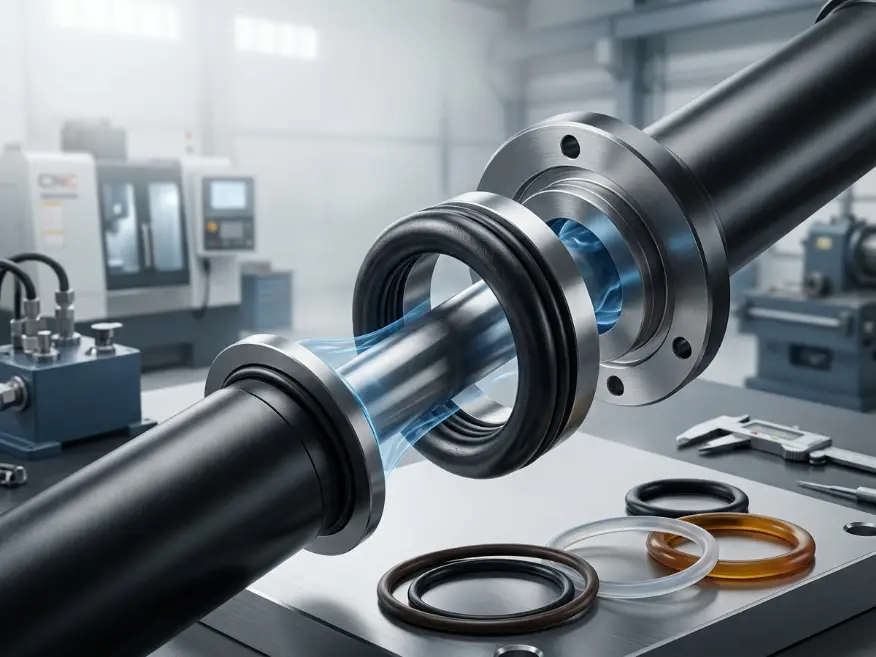
Standard, pre-made parts are manufactured for generic configurations. However, custom rubber molding allows for exact control over physical properties like hardness, elasticity, tensile strength, chemical resistance, and thermal tolerance. If your facility operates in heavy engineering industries like cement production, chemical processing, or construction, you understand that a single mismatched seal can lead to massive fluid leaks or immediate machinery failure.
Why Customization is Essential for Modern Industries
- Precision Tolerances: Custom molds match the exact specifications of your existing heavy equipment, ensuring a tight seal.
- Optimized Elastomer Blends: Compounds are mixed specifically to handle your site’s environmental hazards, whether that includes hydraulic oil, steam, abrasive chemicals, or extreme friction.
- Reverse Engineering Capabilities: Old, worn-out, or obsolete machinery components can be measured, modeled, and manufactured back to original OEM standards.
- Substantial Cost Savings: Investing in high-durability, custom-molded parts reduces the need for frequent replacements, lowering overall maintenance, repair, and operations (MRO) expenses.
Key Rubber Molding Techniques Explained
Choosing the right manufacturing process is critical to obtaining the desired mechanical properties and managing production costs. Professional manufacturers rely on three primary techniques to shape rubber raw materials.
1. Compression Molding
Compression molding is the most widely utilized method in the industrial rubber sector. It is simple, reliable, and highly efficient for producing larger parts or components requiring heavy walls.
In this process, a pre-formed piece of uncured rubber compound is placed directly into an open, heated mold cavity. The mold is then closed under massive hydraulic pressure. The applied heat melts the compound, causing it to flow and fill every groove of the cavity. It remains locked under pressure until the vulcanization process is complete.
- Best Suited For: Large industrial seals, heavy anti-vibration mounts, thick rubber sheets, and rugged concrete pump pistons.
- Key Benefits: Low tooling costs, minimal material waste, and the ability to process high-durometer (very hard) elastomer compounds efficiently.
2. Transfer Molding
Transfer molding is a refined variation of compression molding. Instead of placing the compound directly into the cavity, the raw rubber is placed in a separate chamber, known as a pot, at the top of the mold. A hydraulic plunger then forces the compound through small channels (sprues) into the closed cavity below.
- Best Suited For: Intricate designs, parts with thin walls, or components requiring bonded metal inserts, such as metal-to-rubber bonded bushings.
- Key Benefits: Faster preparation cycle times, tighter dimensional tolerances, and incredibly consistent curing across complex geometries.
3. Injection Molding
For high-volume production runs demanding extreme precision, injection molding is the ideal process. Raw rubber is fed into a heated barrel, screw-plasticized, and then directly injected under high pressure into closed mold cavities.
- Best Suited For: Mass production of small O-rings, intricate seals, custom gaskets, and premium-grade micro-components.
- Key Benefits: Highly automated, minimal cycle times, excellent dimensional consistency across thousands of parts, and low labor costs per unit.
Material Selection: Choosing the Right Elastomer
The choice of material is arguably the most critical factor in custom rubber molding. Sourcing a beautifully designed part will not help if the underlying rubber compound degrades within hours of chemical exposure.
Below is a detailed guide to the most common industrial elastomers used by manufacturers in Pakistan:
Nitrile Butadiene Rubber (NBR)
Nitrile is the default choice for the oil and gas sector, automotive manufacturing, and fluid power industries. It exhibits exceptional resistance to petroleum-based oils, fuels, greases, and hydraulic fluids.
- Temperature Range: -40°C to +120°C
- Primary Applications: Oil seals, hydraulic gaskets, O-rings, and fuel system diaphragms.
Ethylene Propylene Diene Monomer (EPDM)
If your equipment operates outdoors or is subjected to high heat, steam, or ozone exposure, EPDM is the standard choice. It stands up incredibly well to weathering and aging.
- Temperature Range: -50°C to +150°C
- Primary Applications: HVAC seals, outdoor expansion joints, window profiles, and hot water washers.
Fluorocarbon / Viton (FKM)
Viton is a premium fluorocarbon elastomer engineered for the most punishing industrial environments. It provides unmatched resistance to harsh chemicals, acids, chlorinated hydrocarbons, and extreme heat.
- Temperature Range: -20°C to +250°C
- Primary Applications: Critical chemical plant gaskets, refinery seals, power generation diaphragms, and specialized automotive engine components.
Silicone Rubber (VMQ)
Silicone is highly inert, making it ideal for clean, high-temperature operations such as food processing, medical devices, and pharmaceutical manufacturing.
- Temperature Range: -60°C to +230°C
- Primary Applications: Food-grade seals, oven door gaskets, pharmaceutical tubes, and high-performance insulation.
Polyurethane (PU)
While technically a polymer rather than a traditional rubber, polyurethane is exceptionally tough. It boasts extreme wear resistance, high load-bearing capacity, and excellent tear strength.
- Temperature Range: -30°C to +80°C
- Primary Applications: Heavy-duty scraper blades, concrete pump piston rams, wear liners, and high-load couplings.
The Step-by-Step Sourcing Process
Sourcing custom rubber components requires close collaboration between your engineering department and the industrial manufacturer. To ensure a smooth process, follow these five essential steps:
Step 1: Design Consultation and Drawing Review
The process begins with either a CAD drawing, a technical blue-print, or an actual physical sample of the component. If you are reverse-engineering an obsolete component, a professional rubber manufacturer should have the capacity to measure the worn part, account for shrinkage, and create an accurate 3D CAD design.
Step 2: Tooling Design and Mold Fabrication
Once the design is finalized, the manufacturer designs the mold tooling. The mold must be precisely engineered to account for the thermal expansion and shrinkage properties of the specific rubber compound selected. CNC machining ensures the mold cavities are accurate to fractions of a millimeter.
Step 3: Elastomer Compounding
Unlike generic suppliers, premier manufacturers like Ali Enterprises Pakistan formulate and mix compounds in-house. This ensures that the exact ratio of base polymer, curing agents, carbon blacks, and plasticizers is achieved to meet your target mechanical specifications.
Step 4: Prototyping and Testing
Before initiating full production, a test batch is molded. These prototype parts are subjected to dimensional checks, durometer testing, and simulated stress tests to guarantee performance. Procurement managers should always request sample approval before signing off on mass manufacturing.
Step 5: Full-Scale Production and Quality Control
With prototype approval secured, high-volume production begins. Every batch must undergo quality control checks, including checks for flash removal, visual defects, and hardness testing, before packaging and final dispatch.
Overcoming Local Sourcing Challenges in Pakistan
Many manufacturing businesses in Pakistan struggle when sourcing critical components locally. Common complaints include dimensional deviations, premature cracking, and poor chemical resistance.
To overcome these sourcing obstacles, keep these strategic tips in mind:
1. Avoid Suppliers Lacking Technical Engineering Capabilities
Many small-scale workshops in local industrial areas produce rubber parts based on guesswork. They often use recycled rubber scrap mixed with cheap fillers, leading to rapid part degradation under stress. Always choose an established, technologically advanced supplier with an in-house laboratory and CNC milling machinery.
2. Require Certifications and Material Reports
Do not take material quality on faith. Ensure your custom molding supplier can provide material test sheets detailing tensile strength, elongation at break, and chemical resistance ratings.
3. Emphasize Clear Communication on Dynamic vs. Static Applications
A seal that remains stationary requires different elastomer compounding than a diaphragm that must flex millions of times. Always communicate the exact dynamic stresses your component will face to ensure the correct compound is utilized.
The Benefits of Sourcing Locally from Ali Enterprises Pakistan
Partnering with a premier local manufacturer like Ali Enterprises Pakistan offers clear advantages over importing expensive components:
- Drastic Lead Time Reduction: Avoid shipping delays, customs hold-ups, and complex import procedures. Receive high-quality, custom components in a fraction of the time.
- Cost Efficiency: Import substitution lowers initial purchasing costs, while precise compounding matches or exceeds foreign OEM lifetimes, drastically reducing long-term MRO costs.
- On-Site Engineering Support: Benefit from physical on-site consultations, precise machinery measurements, and responsive technical help from expert local engineers.
Frequently Asked Questions (FAQs)
How do I know which rubber material is best for my application?
The ideal material depends on the operating temperature, contact fluids (oil, water, acids), pressure levels, and dynamic movement. You can consult with our technical team at Ali Enterprises Pakistan to analyze your operating environment and select the optimal compound.
What is the typical lead time for custom rubber molding?
Lead times vary depending on the complexity of the part and mold tooling fabrication. Generally, mold design and prototyping take 7 to 15 working days, while bulk production is completed within 10 to 20 days after prototype approval.
Can you manufacture components based on a worn-out sample?
Yes, absolutely. Through reverse-engineering processes, we measure the worn sample, account for wear and tear, and design a custom mold to produce parts that fit and perform to original OEM standards.
What is the minimum order quantity (MOQ) for custom-molded parts?
While we cater to industrial operations of all sizes, minimum quantities depend heavily on part dimensions and mold complexity. Please reach out to our sales department with your specifications for a customized quote.
Optimize Your Plant Operations Today
Don’t let subpar rubber parts cause costly machinery downtime. By partnering with Ali Enterprises Pakistan, you gain access to decades of engineering expertise, state-of-the-art manufacturing facilities, and premium custom rubber molding solutions tailored to your exact industrial needs.
Ready to upgrade your industrial components? Contact the engineering team at Ali Enterprises Pakistan today to request a customized quote, or send us your CAD drawings and physical samples for professional analysis.