
Mastering Industrial Reliability: Your Guide to High-Performance Rubber Parts Solutions
August 15, 2026
The Ultimate Guide to Sourcing Custom Rubber Molding Solutions in Pakistan
August 30, 2026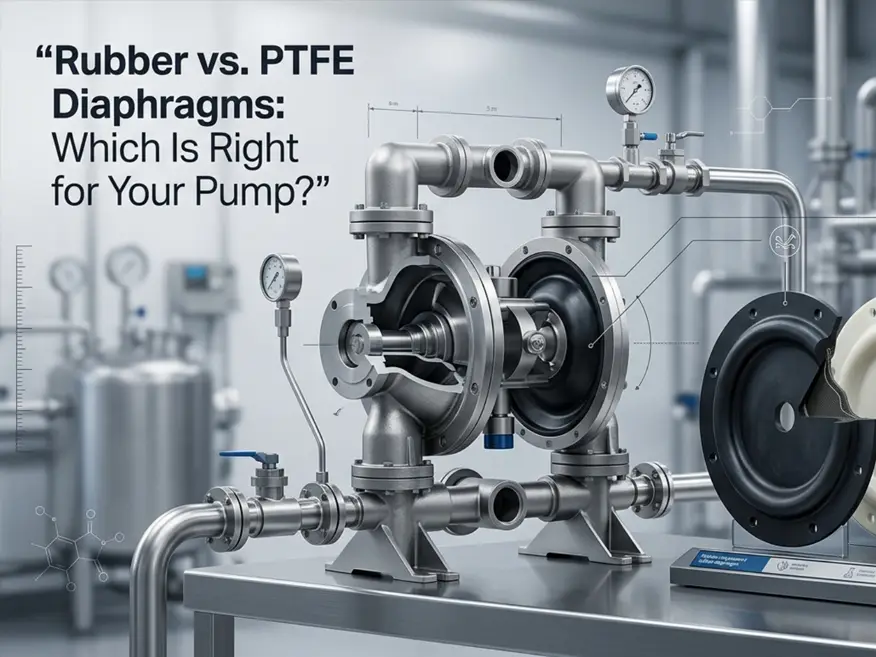
Industrial pumps serve as the heartbeat of modern manufacturing plants, chemical refineries, and water treatment facilities. Within these systems, the diaphragm acts as the primary barrier. It separates the pumped fluid from the driving mechanism, ensuring leak-free fluid displacement. Choosing the correct diaphragm material is one of the most critical decisions for maintenance engineers and plant managers.
The two most common materials for pump diaphragms are rubber (elastomers) and PTFE (Polytetrafluoroethylene). Each material possesses unique physical and chemical characteristics. Selecting the wrong material can lead to premature pump failure, hazardous fluid leaks, and expensive downtime.
As an established PTFE Diaphragm Manufacturer and leader in industrial sealing solutions, Ali Enterprises Pakistan has prepared this comprehensive guide. We will compare rubber and PTFE diaphragms across vital operational metrics. This will help you make an informed decision for your facility.
Understanding Industrial Pump Diaphragms
Pump diaphragms operate under continuous dynamic stress. In Air-Operated Double Diaphragm (AODD) pumps and metering pumps, the diaphragm flexes back and forth thousands of times per hour. This rapid flexing creates the suction and discharge strokes that move fluids.
To withstand this harsh cycle, a diaphragm must offer:
- High tensile strength
- Outstanding flex fatigue resistance
- Compatibility with the process fluid
- Thermal stability under operating temperatures
- Mechanical durability against system pressure
When these properties are compromised, the diaphragm tears. This leads to fluid cross-contamination, product loss, and potential safety hazards. Let us examine each material class individually.
Deep Dive into Rubber Diaphragms
Rubber, or elastomeric, diaphragms are widely appreciated for their exceptional mechanical properties. These diaphragms are synthesized from various natural and synthetic polymers. They are often reinforced with internal fabric layers like nylon or cotton to boost pressure ratings.
Popular Elastomers and Their Applications
- Nitrile (NBR): Excellent for general-purpose applications. Nitrile provides superb resistance to petroleum-based oils, fuels, water, and mild solvents.
- EPDM (Ethylene Propylene Diene Monomer): The ideal choice for hot water, steam, acids, and alkalis. EPDM handles outdoor weathering and ozone exposure exceptionally well.
- Viton (FKM): Known for its high-temperature tolerance and outstanding chemical resistance. It stands up to aggressive hydrocarbons and chlorinated solvents.
- Neoprene (CR): A versatile elastomer with balanced mechanical properties. It offers good flex life and holds up well against oils and mild chemicals.
Key Advantages of Rubber Diaphragms
- Superior Flex Life: Elastomers are highly elastic. They can stretch and bend repeatedly without experiencing structural fatigue. This makes them exceptionally durable in non-corrosive environments.
- Excellent Abrasion Resistance: Rubber absorbs impact energy from abrasive solids, slurries, and particulates. This makes rubber the preferred choice for mining and wastewater operations.
- Cost-Effectiveness: Standard rubber diaphragms are highly cost-effective, providing a lower initial purchase price compared to advanced fluoropolymers.
- Lower NPSH Requirements: Their high flexibility allows them to displace fluid smoothly. This reduces the Net Positive Suction Head (NPSH) required by the pump.
Limitations of Rubber Diaphragms
Despite their physical strength, rubber diaphragms suffer from limited chemical compatibility. Aggressive acids, strong solvents, and synthetic chemicals can cause rubber to swell, soften, or crack rapidly.
Deep Dive into PTFE Diaphragms
PTFE, commonly known by the brand name Teflon, is a fluoropolymer characterized by its dense carbon-fluorine bonds. These bonds are incredibly strong, making PTFE virtually inert to almost all chemicals.
Key Advantages of PTFE Diaphragms
- Universal Chemical Resistance: PTFE withstands highly corrosive chemicals, including concentrated acids, strong alkalis, and reactive solvents. It remains unaffected where elastomers would quickly degrade.
- Wide Temperature Range: PTFE operates reliably in temperatures ranging from extremely low cryogenic levels up to 200°C.
- Sanitary and Hygienic: PTFE is non-toxic, non-stick, and FDA-compliant. It prevents bacteria buildup, making it the industry standard for pharmaceutical, food, and beverage processes.
- Zero Swelling: Unlike rubbers, PTFE does not absorb chemicals or swell over time. This preserves the operational geometry of the pump.
Limitations of PTFE Diaphragms
PTFE is inherently semi-rigid. It does not possess the elastic memory of rubber. As a result, pure PTFE diaphragms are more prone to crease cracking under high-pressure flexing. They also require higher air pressure to actuate.
To overcome this physical limit, a premium PTFE Diaphragm Manufacturer typically designs composite or two-piece diaphragms. These feature a smooth PTFE face bonded to an elastomeric backing (such as EPDM or Neoprene). The elastomer provides the needed structural spring-back, while the PTFE layer protects against chemical attack.
Direct Comparison: Rubber vs. PTFE
Choosing the right material requires comparing their characteristics side by side. The table below outlines how these materials match up:
| Performance Metric | Rubber / Elastomeric Diaphragms | PTFE / Composite Diaphragms |
|---|---|---|
| Chemical Resistance | Limited (Specific to elastomer type) | Outstanding (Near universal resistance) |
| Flex Life (Fatigue Resistance) | Excellent | Moderate to High (Requires rubber backing) |
| Abrasion Resistance | High (Great for slurries) | Moderate (Can wear under sharp solids) |
| Temperature Range | -40°C to 135°C (Depending on type) | -50°C to 200°C |
| FDA / Sanitary Compliance | Only specific food-grade compounds | Inherently FDA-compliant and hygienic |
| Cost Profile | Lower initial cost, shorter life in chemicals | Higher initial cost, longer life in chemicals |
| Elasticity | High flexibility, easy suction | Semi-rigid, needs backing support |
Selecting the Right Diaphragm for Specific Industries
Let us explore how these properties translate into real-world industrial settings:
1. Chemical Processing and Petrochemicals
In chemical plants, pumps handle highly volatile fluids, hot acids, and strong bases. Rubber diaphragms would fail rapidly in these environments. Therefore, plant managers must source from a dedicated PTFE Diaphragm Manufacturer. A composite PTFE diaphragm ensures ultimate process safety and prevents environmental leaks.
2. Food, Beverage, and Pharmaceuticals
These sectors require strict sanitary compliance. Fluid paths must be easy to clean and sanitize. Rubber can sometimes leach micro-impurities or degrade under Clean-In-Place (CIP) steam cycles. PTFE is the ideal solution here. It offers a non-stick surface that resists biological growth and withstands harsh sanitizing chemicals.
3. Mining, Cement, and Slurry Applications
Mining operations pump abrasive slurries containing sand, rock dust, and mineral tailings. PTFE diaphragms are relatively delicate and can wear out quickly under physical abrasion. Thick, fiber-reinforced rubber diaphragms made of Natural Rubber or Neoprene perform best here. They absorb physical impacts without tearing.
4. Water and Wastewater Treatment
Wastewater treatment plants manage water containing sand, debris, and mild chemicals like chlorine. EPDM rubber diaphragms provide the perfect balance of chemical resistance and physical durability. They offer a highly economical, long-lasting solution for municipal pumps.
The Design Edge: Why Custom Engineering Matters
Not all industrial pumps are created equal. Off-the-shelf diaphragms often fail because they do not match the precise operating dynamics of your pump. This is why partnering with a premier Rubber Diaphragm Manufacturer is crucial.
At Ali Enterprises Pakistan, we specialize in custom-molded rubber products and industrial sealing solutions. We engineer diaphragms that combine the best properties of both materials:
- PTFE-Faced Elastomer Diaphragms: A high-quality PTFE layer is chemically bonded to an EPDM or Viton backing. This gives you the chemical immunity of PTFE with the outstanding flex-life of rubber.
- Fabric Reinforcement: We integrate heavy-duty nylon mesh between rubber layers. This allows the diaphragm to handle high working pressures without rupturing.
- Precision Molding: Our advanced tooling ensures consistent wall thickness. This eliminates weak spots that lead to localized stress fractures.
Troubleshooting Diaphragm Failures
Even the best materials will eventually wear out. Knowing how to read the signs of wear can help you schedule preventive maintenance before a catastrophic blowout occurs.
- Crease Cracking: If a PTFE diaphragm shows deep cracks along its flexing folds, it is often due to excessive pressure or improper backing support. Inspect the rubber backing plate for wear.
- Chemical Attack (Swelling/Softening): If your rubber diaphragm becomes sticky, swollen, or loses its shape, the fluid is chemically incompatible. You should upgrade to Viton or a PTFE composite diaphragm.
- Abrasive Wear (Thinning): When the center of the diaphragm thins out and tears, abrasive solids are likely eroding the material. Consider switching to a tougher elastomer or installing inline strainers.
- Delamination: In composite diaphragms, the PTFE face can sometimes separate from the rubber backing. This indicates temperature shocks or chemical infiltration at the bond line. Sourcing high-quality bonded parts from an experienced manufacturer prevents this issue.
Conclusion: Making the Right Selection
Choosing between rubber and PTFE diaphragms involves balancing fluid compatibility, physical demands, and operational budgets. For abrasive slurries and general water transport, rubber diaphragms offer unmatched flexibility and durability. However, for aggressive chemicals, high temperatures, and sterile sanitary applications, investing in premium PTFE diaphragms is essential.
Ali Enterprises Pakistan is your trusted partner for high-performance sealing solutions. As a leading manufacturer of custom molded rubber products, industrial gaskets, and precision diaphragms, we help you keep your processes running smoothly. We leverage engineering expertise to deliver OEM-quality components tailored to your exact specifications.
Contact Us for Custom Engineering Solutions
Are you looking to reduce pump downtime and optimize your sealing systems? Our engineering team is ready to assist. We can manufacture custom rubber diaphragms, PTFE-bonded seals, and high-durability O-rings to keep your plant running efficiently.
Contact Ali Enterprises Pakistan today to discuss your unique industrial requirements. Let us help you select, design, and manufacture the perfect diaphragm for your application.
Frequently Asked Questions (FAQs)
1. How long do PTFE diaphragms typically last compared to rubber?
In non-corrosive fluids, rubber diaphragms generally have a longer flex life than pure PTFE because rubber is more elastic. However, in corrosive chemical applications, a rubber diaphragm can fail in days, whereas a PTFE-bonded diaphragm will last for months. Sourcing from an experienced PTFE Diaphragm Manufacturer ensures your composite diaphragms are built for maximum flex life.
2. Can I use a rubber diaphragm for food and beverage applications?
Yes, but only if the rubber is specifically formulated and certified as FDA-compliant food-grade (such as white EPDM or food-grade Nitrile). Standard industrial rubber can leach harmful compounds. PTFE is naturally FDA-compliant and is generally preferred for high-purity processes.
3. What is a PTFE-backed rubber diaphragm?
This is a composite diaphragm. It features a thin, chemically inert PTFE face on the side contacting the process fluid, chemically bonded to an elastomeric backing (like EPDM or Viton). This hybrid design combines the chemical resistance of PTFE with the structural strength and flexible memory of rubber.
4. How do I know if my diaphragm is failing due to chemical attack?
If the diaphragm shows signs of swelling, softening, blistering, gummy texture, or rapid color changes, it is undergoing chemical degradation. You must switch to a more compatible elastomer or upgrade to a PTFE-faced diaphragm.